What Are the Top 5 Causes of Car Accidents?
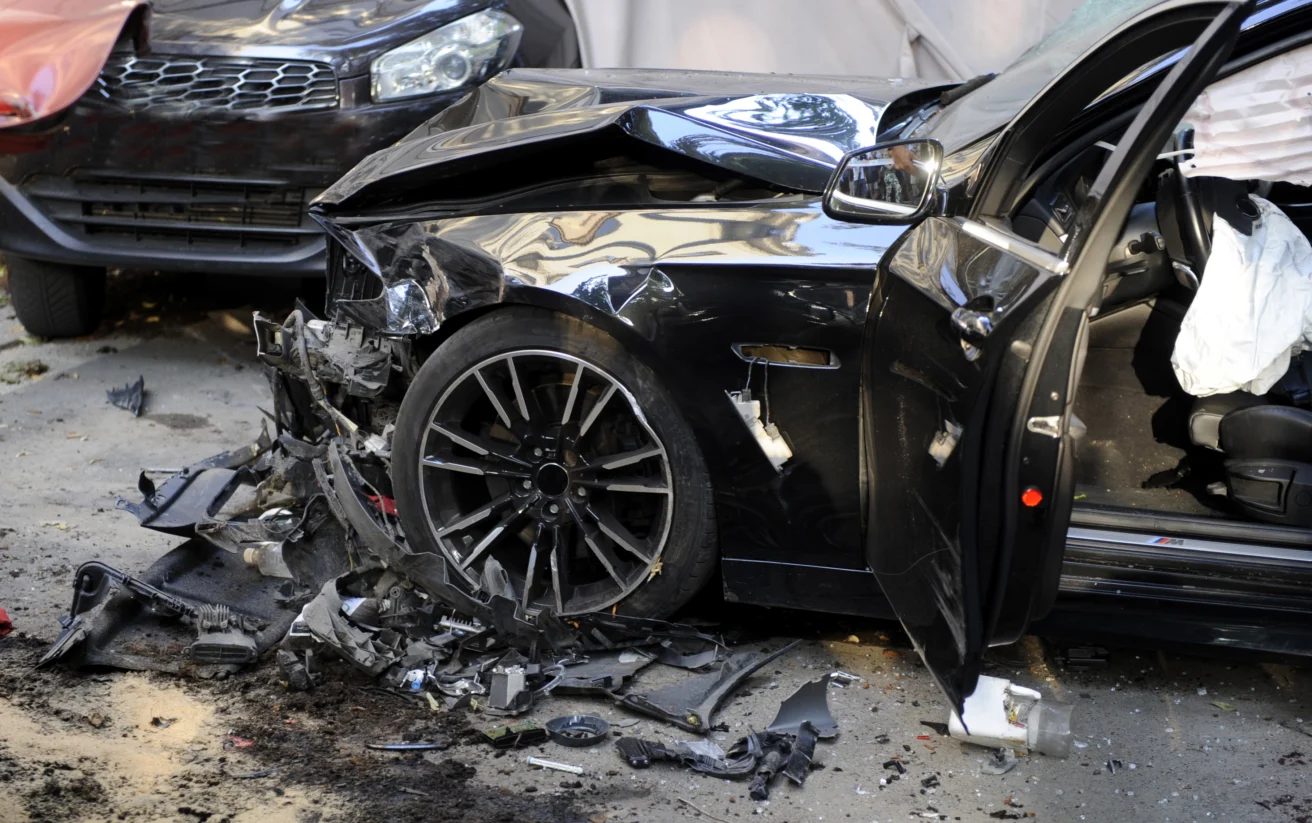
Each year the National Highway Traffic Safety Administration estimates that 6 to 7 million motor vehicle crashes are reported nationwide. Understanding the most common causes of accidents can help you better protect yourself on the road. While you can’t control other drivers’ actions, you can take proactive steps to reduce your own risk. Below are the five most common causes of car accidents, why they happen, and proactive steps you can take to stay safe on the road.
1. Distracted Driving
Distracted driving is dangerous because it takes your attention away from the road. This could be texting, eating, adjusting the radio, talking to passengers, or using navigation systems. Distracted driving has become a leading cause of car accidents in recent years as more than “eight people are either killed or injured daily in incidents reported as distraction-related crashes in the United States.” When all of your attention isn’t focused on the road and you’re paying attention to something else while you’re driving, this causes a lag in reaction time and your ability to accurately gauge speed, distance, and surrounding traffic is considerably diminished. Even a quick glance at the phone or trying to pick something up on the floor can lead to collisions that unfortunately could have severe or fatal consequences. Keeping your full attention on the road is the most important thing you can do to prevent accidents and be a defensive driver.
2. Speeding
Many of us have been in a hurry to get somewhere, but exceeding the speed limit or going too fast for hazardous road conditions drastically reduces your reaction time, and increases the likelihood of a car crash and the severity of injuries due to the impact. When you’re driving at a high rate of speed around dangerous turns or during bad weather conditions, this makes it harder to navigate curves or sudden obstacles. Crashes that involve speeding are often far more dangerous since the force of impact grows exponentially as speed increases.
3. Driving Under the Influence (DUI)
Driving under the influence of drugs or alcohol isn’t just illegal, but could also be fatal. Impaired driving affects judgment, coordination, reaction time, and vision. Despite widespread awareness and severe legal consequences, impaired driving takes thousands of lives annually. Here are some tips on how you can reduce your risk of a drunk driving accident:
- If you plan to drink, make sure you have a safe ride home. Designate a sober driver, use a rideshare service, or call a taxi.
- Never get in a car with a driver who has been drinking or using drugs.
- Be aware that some prescription and over-the-counter medications can also impair your ability to drive safely so be sure to read the prescription label or consult with your doctor.
4. Reckless Driving
Reckless driving isn’t just careless but dangerous, putting all drivers, passengers, and pedestrians at serious risk. From weaving between cars to tailgating to making unsafe lane changes and ignoring traffic laws, these are all high-risk behaviors of reckless driving. The consequences of reckless driving can be really serious; from steep fines, license suspension, and criminal liability, if the crash resulted in injury or death. It only takes a split-second mistake on the road to cause a life-changing accident.
5. Weather Conditions
Rain, snow, ice, fog, and high winds are all the perfect storm for hazardous driving conditions that lead to thousands of accidents each year. Wet roads reduce tire traction and increase stopping distances, while fog limits visibility, and snow and ice can make steering and braking unpredictable. A large number of weather-related crashes result from drivers failing to slow down or use caution when driving during bad weather. The best practices to stay safe while driving in hazardous weather-related conditions is to slow down and give yourself adequate space between your car and the one in front of you.
How to Stay Safe On the Road
While you can’t control other drivers, you can control how you drive. Put your phone away, follow speed limits, never drive impaired, and adjust your driving when the weather is bad and the road conditions are dangerous. Being aware of the most common causes of car accidents and practicing defensive driving, this can minimize risk of causing a crash.
Injured in a Car Accident? Postman Law Offers a Free Consultation
If you’ve been injured in a car accident, it’s important to speak with an experienced personal injury attorney at Postman Law. We have offices in Chicago, Minneapolis, Denver, and Cincinnati, but also handle car accident injury claims nationwide. Contact our personal injury attorneys at Postman Law today for a free, no-obligation consultation by filling out our online form or calling us at 844-POSTMAN to review your case, explain your legal options, and next steps.
Disclaimer: This blog post is for informational purposes only and does not constitute legal advice. For specific guidance regarding your situation, consult a licensed attorney.
FAQs
If you’ve been in a car accident, consulting a Postman Law personal injury attorney is important to protect your rights and understand what your options are. We offer free, no-obligation case consultations.
Depending on your state’s statute of limitations, you usually have 2–3 years from the date of the accident to file a personal injury claim. This is why it’s important to speak with a Postman Law personal injury attorney to protect your rights and understand what the claim process will look like.
Postman Law’s car accident attorneys help you navigate the legal and insurance process after a crash. We’ll investigate the accident, gather evidence, negotiate with insurance companies, handle paperwork, and fight for the compensation you deserve.
Postman Law’s car accident attorneys work on a contingency fee basis, which means you only pay if we win.
In 2023, the Insurance Information Institute reported that “alcohol-impaired crash fatalities accounted for [30%] of all crash fatalities.”
Reckless driving is when a driver operates a vehicle with willful disregard for the safety of people or property. This can include speeding excessively, running red lights, tailgating, weaving through traffic, or driving under the influence.
Aggressive driving involves risky behaviors such as speeding, tailgating, or weaving through traffic, typically fueled by impatience or recklessness. Road rage involves hostile or violent behavior toward other drivers including yelling, chasing, or physically confronting them.
Distracted driving takes your attention away from the road, reducing your reaction time, and awareness of hazards. Activities like texting, eating, or adjusting the radio can lead to missed signals, sudden stops, or collisions. Just a few seconds of distraction can lead to severe accidents, serious injuries, or even fatalities, making it a major contributor to car crashes.
Minnesota is a no-fault state meaning, your auto insurance covers certain accident-related expenses regardless of who was at fault.
Ohio uses an at-fault (tort) system meaning, the driver who caused the accident is responsible for damages. If another driver is found more than 50% at fault, you can seek compensation for medical bills, vehicle damage, lost wages, and other losses.
Colorado follows a fault-based system for car accident claims. This means injured victims must prove that another party was responsible for the crash in order to recover compensation for their losses such as medical expenses, lost income, and pain and suffering. If you were in a car accident in Colorado, it’s important to speak with a Postman Law personal injury attorney as soon as possible to know what your rights and legal options are.
Illinois operates under a fault-based system where the at-fault driver is financially responsible for medical costs, lost wages, and vehicle damage.
If you’re in an accident, uninsured and underinsured motorist (UM/UIM) coverage can be a financial safety to help you with unexpected out-of-pocket expenses. Contact Postman Law’s uninsured motorist attorneys so we can protect your rights and fight for the compensation you deserve.

Celebrating Our First Pitch: Postman Law at the MN Twins Opening
In 2003, armed only with ambition and a U-Haul, I and a few fellow Michigan grads rolled into the Twin Cities to start our law school journey at the U. Our first memorable stop? The iconic H.H.H. Metrodome.

Comparative Fault Explained
When you’re injured in an accident—whether it’s a car crash on the Dan Ryan Expressway in Chicago or a slip-and-fall incident at a neighborhood grocery store—one of the first questions that comes up is: “Who’s at fault?” In Illinois, answering this question often involves comparative fault (also called comparative negligence).

Postman and Roden Law File Wrongful Death Suit against Lil Durk
Today, Postman Law and Roden Law filed a wrongful death lawsuit in Cook County on behalf of the family of Saviay’a Robinson. The suit targets those responsible for the tragic death of Robinson in Los Angeles.