Winter Slip, Trip & Fall Accidents & How to Protect Yourself
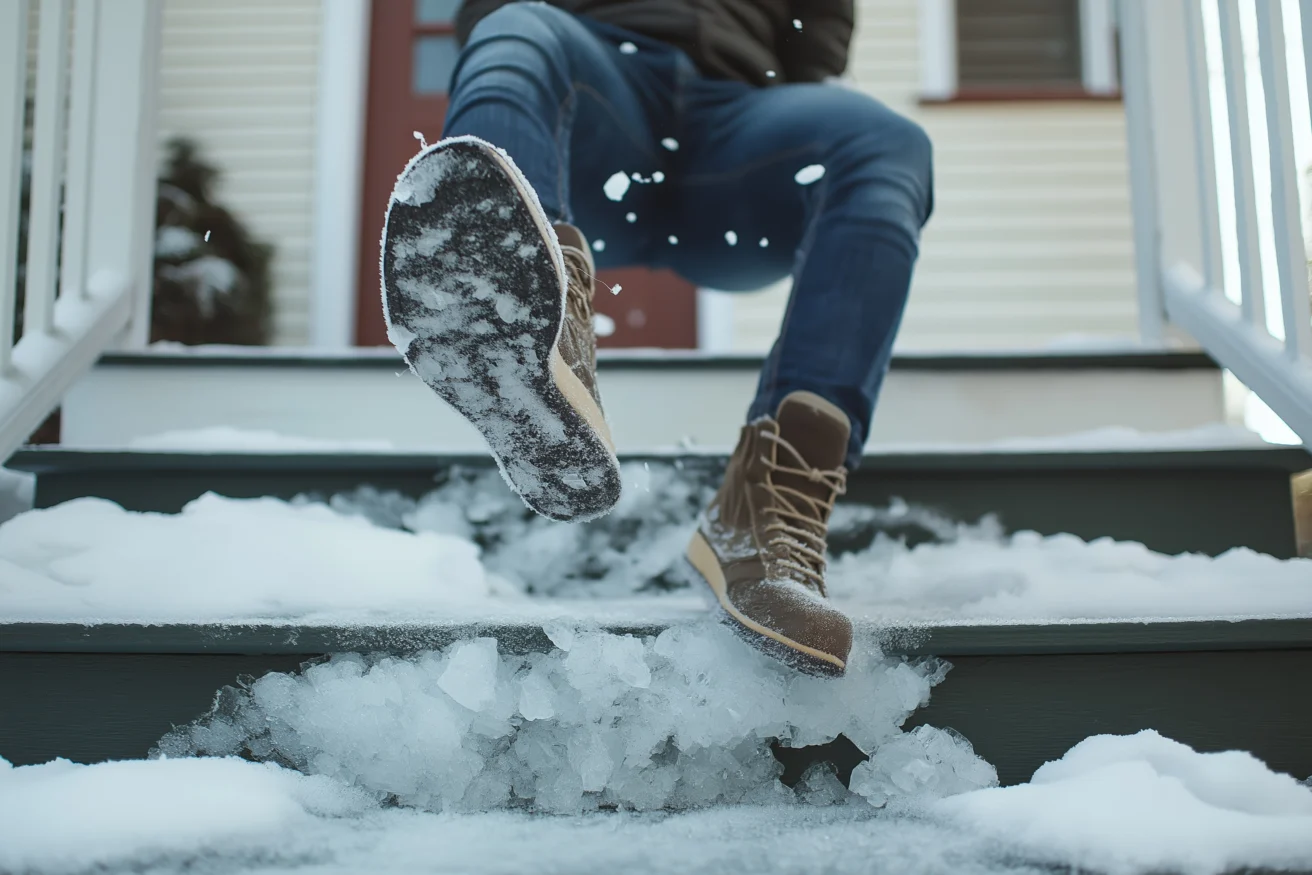
Winter weather turns outside surfaces and areas into serious slip, trip and fall hazards, which can significantly increase the risk of serious injuries ranging from sprains and fractures to concussions. These accidents can occur in public spaces, at workplaces, or on private property, so if you’re injured due to someone else’s negligence, it’s important to contact a slip and fall attorney to understand your rights and make sure you’re protected.
What Are Causes of Winter Slip, Trip, & Fall Accidents?
Winter slip, trip, and fall accidents often happen when snow, ice, and freezing temperatures cause hidden hazards. Icy sidewalks, snow-covered steps, slick parking lots, and untreated entryways are common causes of slip and fall accidents. The Centers for Disease Control and Prevention estimates that slip and fall injuries happen to roughly 1 million adults in the United States each year, with the risk of these injuries happening as the temperature drops. Below are common slip, trip, and fall injuries to watch out for.
Black Ice
Black ice is one of winter’s worst slip and fall accidents. It forms when daytime snow melts and then refreezes overnight into a thin, almost invisible layer. Because it blends in with the pavement, you often don’t see it until you’re already sliding. These hidden patches tend to appear in shady spots where the sun doesn’t reach, on bridges and overpasses that freeze faster than regular roads, and near drainage pipes.
Wet Floors
Winter hazards can still happen inside because we track snow, slush, and ice on our boots. As this mess melts in warm entryways, lobbies, and grocery store aisles, it creates slippery puddles on hard flooring. Without the right mats or regular cleaning, the change from outdoor surfaces to smooth indoor floors are a slip and fall hazard.
Uneven Surfaces
Fresh snowfall can be deceptive because it looks smooth and flat, but it can be covering slip, trip, and fall hazards. Common injury hazards snow can cover are cracked sidewalks, potholes, tree roots, and curbs. When you can’t see where you’re walking this can be very dangerous and scary if you feel unstable while walking.
Poor Lighting & Shorter Days
During winter, days are shorter and darkness falls fast, so many people are going to work in the dark and coming home and doing errands in the dark. If there’s poor exterior lighting combined with icy conditions significantly increases fall risks, making it difficult for people to see hazardous patches of ice or uneven surfaces.
What Are Common Winter Slip, Trip, & Fall Injuries?
Common winter slip, trip, and fall injuries can range from minor injuries to causing serious, long-term damage. Winter weather accidents often happen suddenly and without warning, so it’s important to be vigilant during dangerous conditions.
Fractures
The natural reaction when falling is to put your hands out to break the fall, which often results in wrist fractures. If you land hard on your hip or back on an icy surface, this can cause serious fractures, especially in older adults whose bones tend to be more fragile.
Head Injuries
When you slip on ice, your feet usually shoot out forward, increasing the risk of landing hard on your back and head. Concussions and traumatic brain injuries (TBI) are serious dangers associated with winter slips.
Back & Spinal Injuries
Falling on ice can cause strains, sprains, herniated discs, and even possibly permanent, life-changing damage to your back and spine from severe pain to limited mobility, and long-term complications that affect your day-to-day life. Even a seemingly minor slip that might not hurt right away can result in lasting damage if your back or spine takes the brunt of the fall, so it’s important to make sure to get medical attention regardless of how you feel.
Soft Tissue Injuries
Slipping, tripping, or falling on ice frequently causes soft tissue injuries like bruises, cuts, sprains, and strains to muscles, ligaments, and tendons. Recovery can take weeks or even months which can impact your ability to work, exercise, or even do daily activities.
How Can I Prevent Slip, Trip, & Fall Accidents?
Here are tips for preventing slip, trip, and fall accidents during the winter.
- Wear Proper Footwear⎯Wear shoes or boots with good traction for snow, ice, and slush.
- Walk Carefully⎯Take it slow, and don’t rush on icey and slippery surfaces.
- Use Handrails⎯If handrails are available, hold onto them to help prevent falls.
- Shovel & De-Ice Surfaces⎯Shovel snow and remove ice from walkways, driveways, and entrances.
- Add Traction Materials to Surfaces⎯Use salt, sand, or ice melt to improve footing on icy surfaces.
- Keep Indoor Surfaces Safe⎯Use mats at entrances to catch moisture, keep floors dry, and remove clutter, cords, or uneven rugs that could cause trips.
- Low Visibility Hazards⎯Be careful when you walk and watch out for black ice, shadows, and uneven pavement, especially when it’s dark in the morning and early evening.
- Keep Walkways Well-Lit⎯Make sure both outdoor and indoor areas are well-lit so icy surfaces and uneven ground are visible.
What Should I do After a Slip & Fall Accident?
After a slip, trip, or fall accident, following these steps are important for protecting your health and rights.
Prioritize Your Health & Well-Being
Seek medical attention immediately, even if your injuries seem minor or you’re not in pain because things like concussions or internal injuries may not show symptoms right away. Seeing a medical professional also creates an official record that connects your injuries to the accident.
Report the Accident
If your fall happened at a business, workplace, public building, or private residence, inform the property owner, manager, or supervisor of the accident. Request that they document the incident in writing, noting the date, time, location, and what contributed to the accident like ice, wet floors, unlit or uneven surfaces.
Document Everything
If possible, take photos and videos of the accident and surrounding area, documenting hazards like wet floors, low or no lighting, black ice, and uneven surfaces that aren’t paved.
Preserve Evidence
Keep the clothing, shoes, and anything else you were wearing at the time of the accident. These can be important pieces of evidence if liability is contested.
When Do I Need a Lawyer For a Slip & Fall Accident?
After a slip and fall accident, consulting with a personal injury attorney is important because your injuries could cause significant issues in your daily life like missed work, loss of wages, medical bills, or in severe accidents, permanent disabilities. Postman Law’s slip and fall lawyers are here to protect your rights after an accident by reviewing your case, determining negligence, and ensuring you get the compensation you deserve. Our attorneys have offices in Chicago, Minneapolis, Denver, and Cincinnati, but also handle slip and fall cases nationwide. Call us at 844-POSTMAN or fill out our online form to get a free, no-obligation consultation today.
Disclaimer: This blog post is for informational purposes only and does not constitute legal advice. For specific guidance regarding your situation, consult a licensed attorney.
FAQs
Responsibility for a slip and fall accident usually falls on the property owner or person in control of the property. The injured person may also share responsibility if they acted carelessly, under comparative or contributory negligence laws. Minnesota’s slip and fall laws are based on premises liability, so it requires showing that the landowner’s negligence caused the injury.
Negligence slip and fall settlement amounts vary based on factors such as the severity of the injury, medical costs, lost wages, long-term impact, and liability. Learn more about Illinois comparative negligence affects your settlement.
According to OSHA, slips, trips, and falls are the second leading cause of workplace injuries, accounting for roughly 20–30% of reported incidents.
Compensation for slip and fall claims can include medical bills, lost income, pain and suffering, and the cost of future care. Since deadlines and legal requirements differ by state, contact Postman Law’s slip and fall attorneys right away so we can protect your rights and secure the compensation you deserve.
If a slip and fall happens on private property, at a business, or in a public space, it’s important to contact Postman Law to discuss your claim and what your next steps should be.
Postman Law specializes in personal injury cases, and our attorneys have secured over $3 billion for more than 1.4 million clients.
We move quickly to gather evidence, thoroughly investigate your case, negotiate with insurance companies on your behalf, and represent you in court when necessary. You pay nothing up front. We only collect a fee if we secure compensation for you.
Throughout your case, we stay in close communication, answering your questions, explaining your options, and guiding you every step of the way. Contact us today to schedule a free case consultation.

Celebrating Our First Pitch: Postman Law at the MN Twins Opening
In 2003, armed only with ambition and a U-Haul, I and a few fellow Michigan grads rolled into the Twin Cities to start our law school journey at the U. Our first memorable stop? The iconic H.H.H. Metrodome.

Comparative Fault Explained
When you’re injured in an accident—whether it’s a car crash on the Dan Ryan Expressway in Chicago or a slip-and-fall incident at a neighborhood grocery store—one of the first questions that comes up is: “Who’s at fault?” In Illinois, answering this question often involves comparative fault (also called comparative negligence).

Postman and Roden Law File Wrongful Death Suit against Lil Durk
Today, Postman Law and Roden Law filed a wrongful death lawsuit in Cook County on behalf of the family of Saviay’a Robinson. The suit targets those responsible for the tragic death of Robinson in Los Angeles.