Injured in a Tesla Car Accident? What You Need to Know
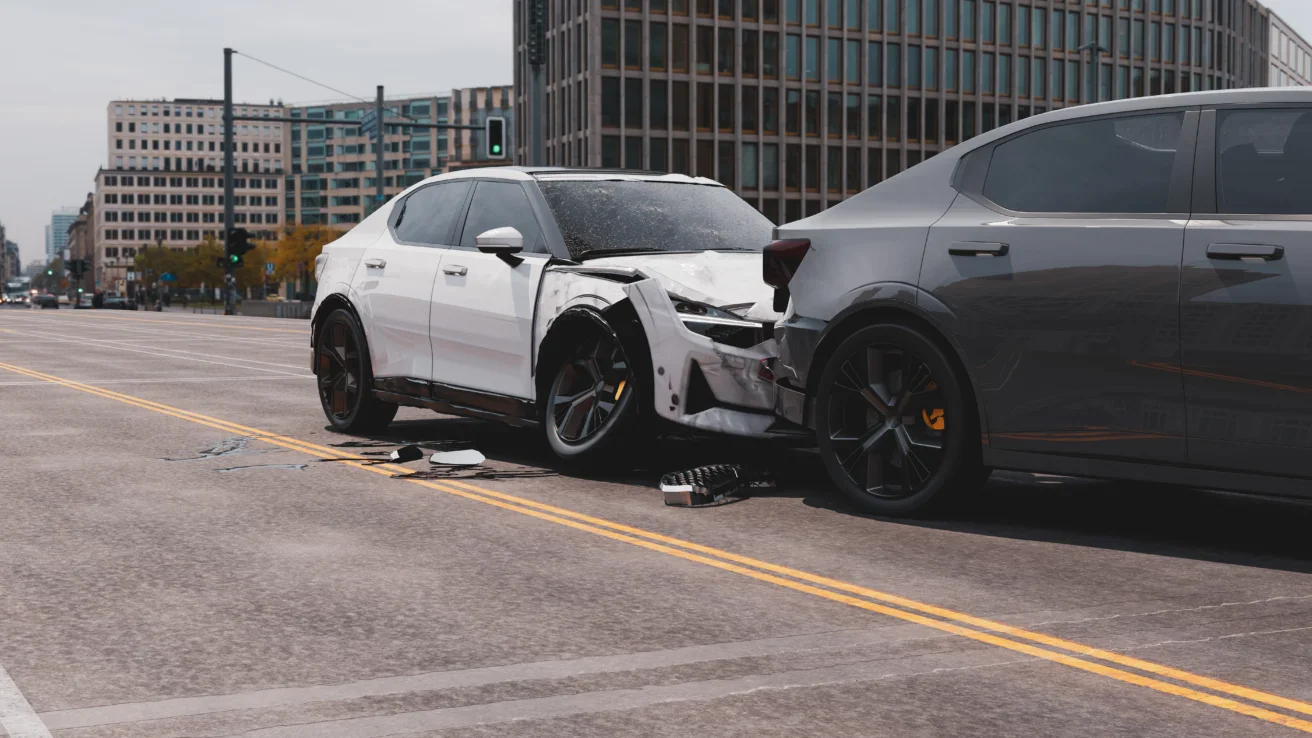
Tesla’s electric vehicles (EVs) and advanced autonomous driving features have transformed the auto industry, but they also bring a new set of risks and legal challenges, especially if they are involved in a crash. Due to manufacturing defects that could put drivers at serious risk, they recalled over 5 million vehicles in 2024. Tesla had the highest number of vehicles affected by recalls among U.S. automakers that year.
If you’ve been injured in a Tesla car accident because the other driver crashed into you, autopilot malfunctions, or unpredictable road conditions, understanding what you should do next is important to protect your rights and start your claim with an experienced car accident attorney at Postman Law.
Tesla Accidents vs Other Cars
Tesla vehicles have impressive driving range and cutting-edge technology, but these innovations also mean that accidents involving Teslas can be very different from gas-powered cars.
Autopilot & Full Self-Driving
Tesla’s Autopilot and Full Self‑Driving (FSD) capabilities are two of the company’s most notable and promoted features. These advanced driver-assistance systems use cameras and sensors to navigate roads, maintain speeds, and change lanes. These features are designed to improve safety, however, they complicate liability in a crash and how it’s investigated. Was the human driver paying attention? Did the software fail to recognize an obstacle? Did a sensor malfunction? Answering these questions requires someone with specialized expertise that understands autonomous vehicle technology.
Even with FSD engaged, Tesla states that the human driver must remain attentive and ready to take control at any moment. This means the driver often retains liability, but software glitches can sometimes shift the blame toward the manufacturer.
Vehicle Data Logging
Every Tesla is constantly recording a massive amount of data including vehicle speed, steering inputs, braking patterns, and whether Autopilot was active at the time of impact. This “black box” records everything, which can both support and complicate insurance claims or legal cases. It can provide an accurate picture of what happened seconds leading up to a crash, but accessing this data isn’t easy. Getting access to this data usually requires a subpoena, which is why hiring an experienced self-driving car accident attorney at Postman Law is important to make sure your rights are protected and the right documents are submitted for your claim.
Battery Fires
Tesla’s electric vehicles are powered by large lithium‑ion battery packs, which supply power to the motors and determine most of the vehicle’s range and performance. These battery packs are among the largest of any consumer EVs currently on the road. While Teslas are generally safe, severe impacts, like a car crash can puncture or damage these battery packs. This damage can cause a thermal runaway which is a chemical fire that’s extremely difficult to extinguish.
What Should You Do If You’ve Been Injured in a Self-Driving Tesla Accident?
What you do right after a car accident can impact both your physical recovery and any potential legal claims. If you’re involved in a self-driving Tesla accident, follow these steps.
Prioritize Your Health & Safety
Your physical well-being is the most important thing after a car accident. Check yourself for any injuries, and if it’s safe to do so, move your vehicle to the side of the road. Get as far away from the Tesla if you see smoke or hear hissing sounds because EV fires can ignite instantly.
Call 911
After prioritizing your health and safety, call 911 right away. A police report provides an objective, third-party account of the accident, and is an important piece of evidence for your insurance claim and a potential legal case. Stick to the facts. Don’t speculate because anything you say could possibly be used against you.
Document the Scene
If you can, document the scene. Take photos of damage to all the vehicles, skid marks, traffic signs, road conditions, injuries, and any debris. Get contact and insurance details from the other driver, and information from any witnesses at the scene.
Seek Medical Attention Immediately
Seek medical attention as possible after the accident, even if you feel fine. Adrenaline often masks the pain of severe injuries like whiplash, internal bleeding, or concussions. An evaluation by a medical professional ensures you receive the necessary treatment, and it also creates an official medical record linking your injuries directly to the accident. Delaying medical care can give insurance companies an excuse to downplay your injuries or deny your claim entirely.
Contact an Experienced Tesla Car Accident Attorney
Tesla accidents are often more complex than typical car crashes due to their advanced technology like Autopilot and FSD, which is why an experienced self-driving attorney at Postman Law will protect your rights and quickly start investigating.
How is Liability Determined in a Tesla Car Accident?
If the Tesla driver was using Autopilot and failed to maintain control, the driver is typically held liable. If a defect in the Tesla’s hardware or software is shown to have caused the crash, the manufacturer could be held partially responsible. Product liability claims against large companies like Tesla are incredibly complex and require substantial evidence that their hardware caused the accident.
Contact Postman Law For a Free Consultation With Our Tesla Car Accident Attorneys
Contacting a Postman Law car accident attorney after a crash will ensure your rights are protected, the accident is investigated, any witnesses are interviewed, filing deadlines for your claim are met, and you receive the compensation you deserve. Our attorneys will negotiate with insurance companies and calculate economic and non-economic (i.e. pain and suffering) damages so you can fully focus on healing.
We have offices in Chicago, Cincinnati, Denver, and Minneapolis, but work nationwide with clients who have been injured in a car accident. Contact Postman Law 27/4 for a no-obligation, free consultation by filling out our form online or calling us at 844-311-4939.
Disclaimer: This blog post is for informational purposes only and does not constitute legal advice. For specific guidance regarding your situation, consult a licensed attorney.
FAQs
Tesla’s Event Data Recorder (EDR) logs speed, braking, steering, seatbelt use, and airbag deployment, while cameras and sensors can capture video of the crash. Some data may go to Tesla for safety analysis and owners can access dashcam or Sentry Mode footage, but detailed EDR information usually requires getting a subpoena for these records.
Determining fault in a self-driving car accident in Chicago can be complex because it depends on the circumstances and who was in control of the vehicle. Illinois uses a comparative fault system, so responsibility can be shared between the driver, the vehicle’s manufacturer, and any other parties involved. Learn more about how long it takes to investigate a car accident claim in Chicago.
In Cincinnati, fault in a self-driving car accident depends on the situation. If the human driver failed to monitor the vehicle or respond properly, they may be responsible. If a defect in the car’s autonomous system caused the crash, the manufacturer could be liable. Ohio’s comparative fault rules can split responsibility between the driver, the manufacturer, and any other parties involved.
In Minneapolis, fault in a self-driving car accident depends on who contributed to the crash. If the human driver didn’t monitor how the vehicle was driving, they may be at fault. If a defect in the autonomous system caused the accident, the manufacturer could be held liable. Minnesota follows a comparative fault system, so responsibility can be shared between the driver, the manufacturer, and any other parties involved.
Determining fault in a self-driving car accident in Denver depends on the situation. A human driver may be responsible if they failed to monitor or properly control the vehicle. If the crash was caused by a defect in the autonomous system, the manufacturer could be held liable. Under Colorado’s comparative fault rules, responsibility can be shared between the driver, the manufacturer, and any other parties involved.
If a defect or failure in the autonomous system caused the accident, the manufacturer could be liable under product liability laws.
If the driver failed to monitor the car, ignored warnings, or didn’t take control when needed, they may share or take full responsibility.
How fault is determined depends on state law. Most states like Illinois, Ohio, Minnesota, and Colorado, use comparative fault rules, also called comparative negligence, so responsibility can be shared between the driver, the car’s system, and other parties.
Postman Law specializes in personal injury cases, including car and truck accidents, slip-and-fall injuries, medical malpractice, product liability, wrongful death, workplace injuries, and more. Our attorneys have secured over $3 billion for more than 1.4 million clients.
We move quickly to gather evidence, thoroughly investigate your case, negotiate with insurance companies on your behalf, and represent you in court when necessary. You pay nothing up front. We only collect a fee if we secure compensation for you.
Throughout your case, we stay in close communication, answering your questions, explaining your options, and guiding you every step of the way. Contact us today to schedule a free case consultation.

Celebrating Our First Pitch: Postman Law at the MN Twins Opening
In 2003, armed only with ambition and a U-Haul, I and a few fellow Michigan grads rolled into the Twin Cities to start our law school journey at the U. Our first memorable stop? The iconic H.H.H. Metrodome.
Comparative Fault Explained
When you’re injured in an accident—whether it’s a car crash on the Dan Ryan Expressway in Chicago or a slip-and-fall incident at a neighborhood grocery store—one of the first questions that comes up is: “Who’s at fault?” In Illinois, answering this question often involves comparative fault (also called comparative negligence).

Postman and Roden Law File Wrongful Death Suit against Lil Durk
Today, Postman Law and Roden Law filed a wrongful death lawsuit in Cook County on behalf of the family of Saviay’a Robinson. The suit targets those responsible for the tragic death of Robinson in Los Angeles.