Hit by a Drunk Driver? What to Do Next
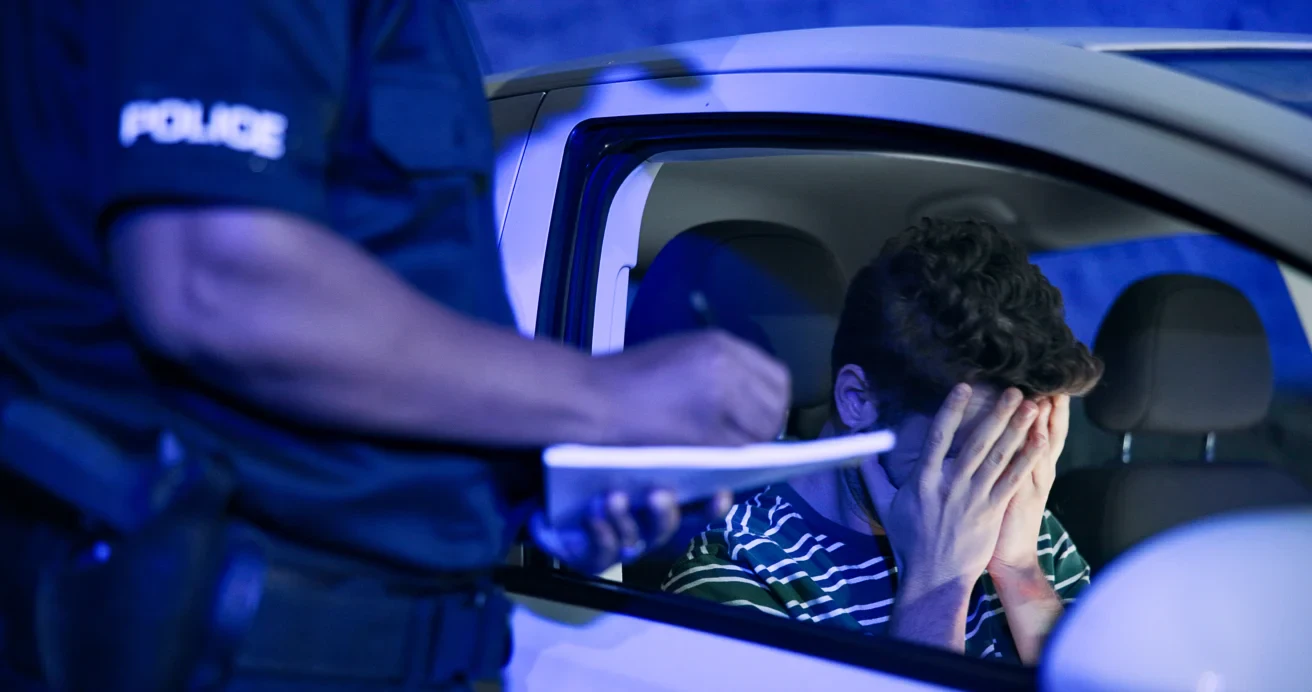
Being involved in a car accident is always stressful, but realizing the other driver is intoxicated adds a level of fear, frustration, and disbelief that can feel overwhelming. Drunk driving accidents are entirely preventable, yet they unfortunately happen frequently. When you’re the victim of a drunk driver, the aftermath can feel chaotic. You might be seriously injured, your car might be totaled, or if the unthinkable happens and a loved one passes away due to the accident, you’re wondering how you can hold the drunk driver responsible for their careless actions. This guide will explain the steps to take after being hit by a drunk driver to protect yourself and your legal rights.
What Should I Do If I’m Hit by a Drunk Driver?
1. Prioritize Your Safety Immediately After an Accident
The moments after a collision are confusing and jarring. Your adrenaline is pumping, and then shock may set it. If your vehicle is drivable and it is safe to do so, move it to the shoulder or out of the flow of traffic. If you cannot move your car, turn on your hazard lights. Check yourself and your passengers for injuries. If anyone is hurt, do not try to move them unless there is an immediate danger such as a fire or smoking engine.
2. Call 911 & Report the Drunk Driver
After checking that everyone is safe and your car has been moved, if this is possible, call the police right away. When talking with the 911 dispatcher, try to identify your location as best as you can, and state that you suspect the other driver is intoxicated. Mention any behaviors you have observed before the crash like swerving, cutting drivers off, veering onto the sidewalk or shoulder if on the freeway, and behaviors after the crash such as slurred speech, smelling alcohol, stumbling, or aggressive behavior. When the police arrive, they can conduct field sobriety tests to verify if the driver is intoxicated and document evidence of impairment in their report.
When law enforcement arrives, remain calm and focus on the facts. Explain everything clearly so the officer can have an accurate account of what happened: providing the officer a clear, straightforward account of what happened. Be sure to ask for the police report number so you and your attorney can obtain a copy of it later. This report can become a crucial piece of evidence if you need to pursue a claim.
3. Gather Evidence at the Scene of the Crash
While you wait for the police to arrive, and only if you are physically able to do so safely gather any evidence at the scene that you can. Here is a list of evidence to try and gather:
- Any damage to all vehicles involved, the position of the cars on the road, skid marks, traffic signs, and weather conditions. The drunk driver can try to deceive officers by disposing of alcohol containers or switching seats with another passenger in the car if they’re sober, so anyway to document their fault will be extremely beneficial. If you are concerned about taking photos of the other car or driver, make notes on your phone. Any contemporaneous evidence—evidence gathered at the time of the accident—is more powerful than your recall of the events after the fact.
- If anyone saw the crash, ask for witnesses names and phone numbers. A witness who saw signs that the driver was impaired can be really strong testimony for a drunk driving claim.
- Exchange information with the other driver such as their name, insurance information, license plate number, and driver’s license number. Do not engage in any conversation beyond this. Intoxicated individuals can be unpredictable and violent, so if for any reason you feel unsafe, don’t attempt to approach them.
4. Seek Medical Attention Immediately
You might feel fine right after the crash because adrenaline can mask pain. But you might not immediately see symptoms of serious injuries like whiplash, concussions, or internal bleeding which is why you need to go to the emergency room or see your primary care physician as soon as possible. It’s important to see a physician after the crash for these reasons:
- Assess For Injuries⎯If you have serious injuries from the accident, it’s important to get them looked at and treated right away, especially if surgery is needed.
- Your Claim⎯Insurance companies often look for gaps in treatment to devalue claims because they’ll argue that the injury wasn’t as severe as was claimed to be or that the injury was a pre-existing condition and the accident didn’t cause it. This is why you need medical records to show the direct cause of your injuries and that they were due to the accident.
5. Don’t Talk To The Other Driver’s Insurance Company
Soon after the accident, the other driver’s insurance company will most likely contact you. They may make you put your guard down because of how friendly and concerned they’re being, but just remember, they are a business and trying to minimize or pay nothing at all for the claim. They might ask for a recorded statement or offer you a quick settlement check and don’t agree to this. You need to speak with an attorney right away so you don’t put your claim at risk in the future. Insurance adjusters are trained to ask leading questions that can trick you into admitting fault or downplaying your injuries. A quick settlement offer is almost always far lower than what you actually need to cover your medical bills, lost wages, and pain and suffering. Once you accept and sign a release to settle, you usually can’t go back to the insurance company for more money, even if you’re permanently injured due to the crash.
Should I Hire a postman law Drunk Driving Accident Attorney After a Crash?
Drunk driving cases aren’t like typical car accident claims because in addition to covering your medical bills, lost wages, and pain and suffering, you might also be entitled to punitive damages. Punitive damages are monetary rewards in civil cases that are meant to hold the drunk driver accountable for reckless behavior and dangerous behavior that put lives at risk. There are often procedural hurdles you need to overcome to qualify for punitive damages, which is why it is important to have an experienced attorney on your side.
Being hit by a drunk driver is a traumatic experience and something no one should have to go through. If you or a loved one has been injured by a drunk driver, Postman Law’s drunk driving accident attorneys are here to guide you through every step of your claim, get the compensation you deserve, and make sure that the negligent driver is held accountable. Contact Postman Law for a free consultation by calling 844-POSTMAN or filling out our online form. With offices in Cincinnati, Denver, Chicago, and Minneapolis, and clients nationwide we’re ready to help make sure your rights are protected.
Disclaimer: This blog post is for informational purposes only and does not constitute legal advice. For specific guidance regarding your situation, consult a licensed attorney.
FAQs
Yes, your insurance company may cover your medical bills and damages through uninsured or underinsured motorist coverage. In Minneapolis, you can recover from Personal Injury Protection (PIP). We’ll help you understand your options if you were injured by an uninsured drunk driver
You may be entitled to compensation for medical bills, lost wages, pain and suffering, and property damage, as well as pursue punitive damages.
Every state has a statute of limitations for filing a lawsuit, which is why you need to contact an attorney right away so they can start your claim and inform you of deadlines.
Criminal charges against the driver don’t automatically guarantee compensation for you. A personal injury claim is separate from criminal proceedings, so you still need a lawyer to help you recover damages. But it is good evidence for your claim and something you will want to flag for your attorney.
Postman Law specializes in personal injury cases, including car and truck accidents, slip-and-fall injuries, medical malpractice, product liability, wrongful death, workplace injuries, and more. Our attorneys have secured over $3 billion for more than 1.4 million clients.
We move quickly to gather evidence, thoroughly investigate your case, negotiate with insurance companies on your behalf, and represent you in court when necessary. You pay nothing up front. We only collect a fee if we secure compensation for you.
Throughout your case, we stay in close communication, answering your questions, explaining your options, and guiding you every step of the way. Contact us today to schedule a free case consultation.
Nothing! Postman Law works on a contingency fee basis, which means you don’t pay anything upfront. We only charge a fee if we win your case or secure a settlement for you. The fee is typically a percentage of the total compensation you receive.
Approximately ~164 car accidents are reported everyday in Minnesota. If you’ve been injured in a car accident, Postman Law’s personal injury attorneys will fight for your rights and work to get you the compensation you deserve. Contact us for a free car accident case consultation.

Celebrating Our First Pitch: Postman Law at the MN Twins Opening
In 2003, armed only with ambition and a U-Haul, I and a few fellow Michigan grads rolled into the Twin Cities to start our law school journey at the U. Our first memorable stop? The iconic H.H.H. Metrodome.

Comparative Fault Explained
When you’re injured in an accident—whether it’s a car crash on the Dan Ryan Expressway in Chicago or a slip-and-fall incident at a neighborhood grocery store—one of the first questions that comes up is: “Who’s at fault?” In Illinois, answering this question often involves comparative fault (also called comparative negligence).

Postman and Roden Law File Wrongful Death Suit against Lil Durk
Today, Postman Law and Roden Law filed a wrongful death lawsuit in Cook County on behalf of the family of Saviay’a Robinson. The suit targets those responsible for the tragic death of Robinson in Los Angeles.