Qué hacer si te lesionas en un accidente automovilístico durante el invierno en el Medio Oeste
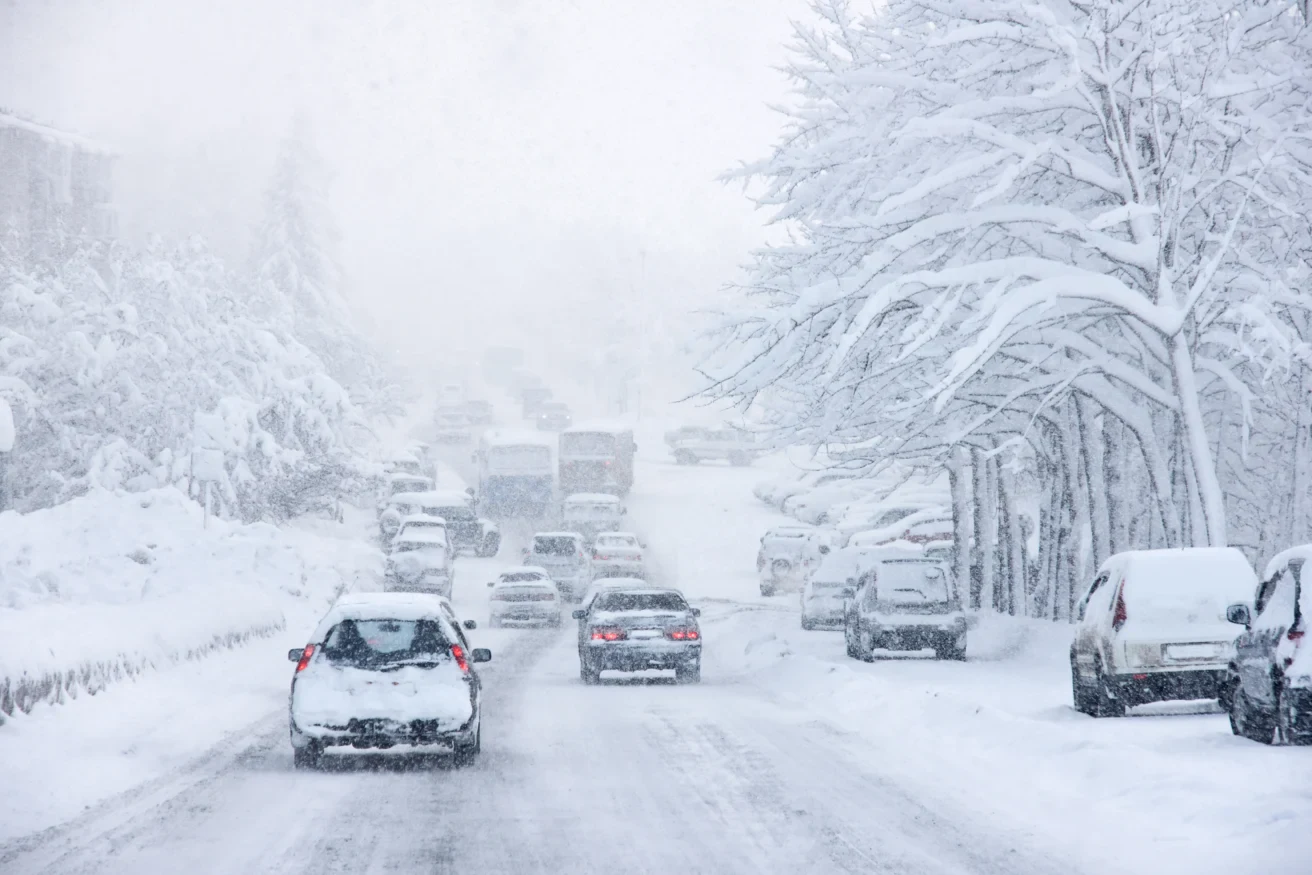
Winter in the Midwest brings beautiful snow capped mountains and landscapes, but it also creates dangerous driving conditions due to snow, ice, and poor visibility. If you’ve been in a weather-related car accident in Minneapolis, Cincinnati, Denver, Chicago, or nationwide, the aftermath can feel overwhelming and scary, which is why it’s important to contact an experienced personal injury attorney at Postman Law to protect your rights and start your claim.
What Should I Do If I’ve been in a Car Accident in the Snow?
The first priority after any accident is your safety. Winter storms make an already stressful situation even more dangerous, so it’s important to protect yourself.
The First Step You Should Take After a Weather Related Accident
After a weather-related crash, these are the steps you should take immediately.
1. Check For Injuries
Before you do anything, check yourself and any passengers for injuries. If you or a passenger is seriously injured, don’t try to move unless staying where you are puts you in immediate danger, such as a vehicle that’s smoking.
2. 2. Llame al 911
An official police report is an important piece of evidence for any insurance claim or legal action. When you call 911, try to describe your location as accurately as possible and inform the dispatcher about the road conditions and any known injuries. When speaking with law enforcement, provide clear, factual information only and don’t admit fault.
3. Move to a Safe Location
If it is safe to do so, move your vehicle out of traffic and to the side of the road to avoid the danger of a second collision and put your hazard lights on. Icy roads make it difficult for other drivers to stop, and poor visibility means they might not see your disabled vehicle until it’s too late.
4. Document the Scene
If you are able to, take photographs of all vehicles involved, damages to the road or signs. Be sure to capture the weather conditions like snow or ice accumulation, skid marks, traffic signs, and any other factors that may have contributed to the collision because this evidence can be critical in supporting a legal or insurance claim.
5. Witness Information
Independent witnesses can provide an unbiased account of what happened, so if anyone stopped to help or saw the crash, ask for their name and contact information. Their testimony may be needed if the other driver later disputes the facts of the accident.
6. Seek Medical Attention Immediately
Adrenaline can mask the pain of a serious injury, so while you might feel fine after the accident, it’s important to seek medical attention as soon as possible. Getting medical attention immediately creates an official record that links your injuries directly to the accident, which is crucial for any potential vehicle claim. At Postman Law, our team connects clients to trusted doctors who understand accident injuries and how to support a personal injury claim.
7. Notify Your Insurance Company As Soon As Possible
After a car accident, it’s important to contact your insurance company as soon as possible so you can start the claim process. Provide accurate, factual information about the accident, and don’t speculate about fault or minimizing your injuries because doing so could affect your claim.
8. Contact a Personal Injury Car Accident Attorney
After a winter weather car accident, contacting a personal injury car accident attorney will help protect your rights and what your legal options are. Snow, ice, and poor visibility often complicate questions of fault, and insurance companies may attempt to shift blame or undervalue claims by citing hazardous road conditions. Postman Law’s experienced personal injury attorneys will quickly work to preserve key evidence, handle communications with insurers, and pursue full compensation for medical expenses, lost wages, and other damages.
What Are Common Car Accidents Caused By Ice & Snow
Each year, The Federal Highway Administration (FHWA) estimates that nearly a quarter of weather-related car crashes occur on snowy, slushy, or icy roads, causing more than 1,300 deaths and over 116,000 injuries nationwide. Ice and snow significantly reduce tire traction, making it more difficult to brake, steer, and stay in control of a vehicle. As conditions worsen, even skilled and cautious drivers can find themselves struggling to maintain control. The most common winter weather accidents include:
- Rear-end collisions
- Losing control of the vehicle
- Multi-vehicle accidents
- Accidents on bridges and overpasses
What Types of Hazards Come With Winter Driving?
- Hielo negro
- Snow-covered roads
- Slush and snow drifts that can cause vehicles to hydroplaning
- Freezing rain
- Reduced visibility
- Cold tires due to low temperatures can reduce tire grip even if they’re in good condition
- Hidden road hazards such as potholes, curbs, or debris
- Strong winter winds can push vehicles off the road or into another vehicle, especially for high-profile vehicles like SUVs and trucks
- Longer stopping distances needed due to icy or snowy roads
- Cold weather can cause mechanical failures that affect brakes, batteries, and engine performance
Protect Yourself Today With An Experienced Weather-Related Car Accident Attorney
If you’ve been injured in a weather-related car accident in the Midwest, it’s important to act quickly to protect your rights and understand what your legal options are. Winter roads are unpredictable and often lead to rear-end collisions, spin-outs, rollovers, and multi-vehicle pileups. Contact our personal injury attorneys at Postman Law today for a free case consultation by rellenar nuestro formulario en línea or calling us at 844-POSTMAN. We have offices in Chicago, Minneapolis, Denvery Cincinnati, but also handle weather-related accidents nationwide, and have helped clients secure thousands in motor vehicle accident cases.
Cláusula de exención de responsabilidad: Esta entrada de blog tiene únicamente fines informativos y no constituye asesoramiento jurídico. Para obtener orientación específica sobre su situación, consulte a un abogado colegiado.
Preguntas frecuentes
Minnesota is a no-fault state meaning your own Personal Injury Protection (PIP) coverage pays for initial medical bills and lost wages after an accident, regardless of who caused it. Property damage, loss of wages, and pain and suffering is not covered under this, so you’ll need to pursue a legal claim against the at-fault driver.
Ohio uses an at-fault (tort) system which means the driver responsible for an accident must cover damages. If another driver is at least 50.1% at fault, you can seek compensation from their insurance, or them directly for medical bills, car repairs, lost wages, and other losses.
Illinois uses a modified comparative fault system with a 50% threshold, meaning you can recover damages only if you are found to be less than 50% at fault for the accident.
Colorado follows an at-fault (tort) system, which means the driver who is determined to be responsible for the accident is liable for the other party’s damages including medical bills, vehicle repairs, and other losses.
The most common cause of winter-related car accidents is loss of traction from black ice, packed snow, or freezing rain because these conditions make it harder for drivers to stop, turn, or control their vehicles.
If you crash in the snow, the first priority is safety. Move to a safe location if possible, check yourself and passengers for injuries, and call emergency services. If you’ve been in a snow car accident in Minneapolis, Denver, Cincinnati, Chicago, or nationwide, contact Postman Law for a free case consultation.
About 112,000 vehicle crashes happen annually in Chicago. These result from fender‑benders to serious collisions that result in injury or death.
If you’re involved in a single-car accident caused by bad weather in the Midwest, contact Postman Law’s experienced personal injury attorneys immediately to protect your legal rights.
If you’re hit on the highway in the Twin Cities, prioritize your safety first. If possible, move to a safe location, turn on your hazard lights, and call 911. Contact our Twin City personal injury lawyers for a free case consultation to protect your rights and understand your claim.
During a Level 3 snow emergency in Cincinnati, roads are closed to all non-emergency traffic. People shouldn’t drive unless it’s a personal emergency.
Even if weather conditions like snow or ice contributed to the crash, liability is usually determined by which driver’s actions caused the accident. Drivers are still expected to adjust for conditions, so bad weather doesn’t automatically remove fault.
The length of time it takes to settle a car accident claim varies depending on the complexity of the case. Car accidents with clear fault and minimal injuries may settle in a few weeks to a few months while more serious accidents involving major injuries, disputed liability, or extensive property damage can take several months to over a year to settle.
You should carry enough uninsured motorist coverage to protect yourself financially if an accident is caused by an uninsured or underinsured driver. Learn more about uninsured and underinsured coverage in this post.

Celebrando nuestro primer lanzamiento: Postman Law en la inauguración de los MN Twins
En 2003, armados únicamente con ambición y un camión de mudanzas, yo y unos cuantos compañeros graduados de Michigan llegamos a las Ciudades Gemelas para empezar nuestra carrera de Derecho en la Universidad. El emblemático H.H.H. Metrodome.

Explicación de la culpa comparativa
Cuando uno resulta herido en un accidente, ya sea un accidente de tráfico en la autopista Dan Ryan de Chicago o un resbalón en el supermercado del barrio, una de las primeras preguntas que surgen es: "¿Quién tiene la culpa?" En Illinois, responder a esta pregunta a menudo implica culpa comparativa (también llamada negligencia comparativa).

Postman y Roden Law presentan una demanda por homicidio culposo contra Lil Durk
Hoy, Postman Law y Roden Law presentaron una demanda por homicidio culposo en el Condado de Cook en nombre de la familia de Saviay'a Robinson. La demanda se dirige a los responsables de la trágica muerte de Robinson en Los Ángeles.